A tea garden is a simple, rewarding way to grow flavor, comfort, and intention right in your own backyard.
This post may contain affiliate links.
With the right plant choices, a herb tea garden can provide fresh ingredients for calming, energizing, and nourishing blends throughout the growing season.
Thoughtful herbal tea garden design not only makes harvesting easier but also turns your space into a peaceful retreat.
In this post, we’ll explore the top herbs to grow in garden tea gardens so you can create a beautiful, functional space that supports both wellness and daily rituals.
Related Article: Timing Your Harvest: When to Pick Rose Hips for Maximum Flavor
Essential Tea Garden Plants
When building a tea garden, it’s important to pick plants that give you a variety of flavors and brewing options. You’ll want strong tea leaves, tasty herbs, and pretty flowers that make your tea special.
Camellia sinensis Varieties
Camellia sinensis is the plant that true tea comes from. It grows best in well-drained soil and cool, misty climates. You can choose between two main types: Camellia sinensis var. sinensis and Camellia sinensis var. assamica.
Want to try making your own jelly at home?
Get my free guide with 8 easy, beginner-friendly jelly recipes you can confidently make.
The sinensis variety has smaller leaves and is used for green and white teas. It grows well in cooler regions. Assamica has larger leaves and is common in black teas. It prefers warmer, tropical areas. Growing either gives you fresh, homegrown tea leaves to harvest and dry yourself.
Related Article: 5 Mistakes to Avoid While Growing Lavender for a Healthy, Fragrant Garden
Herbs Commonly Blended With Tea
Adding herbs to your tea mix can change the taste and add benefits. Popular herbs to grow include:
- Mint (peppermint, spearmint): Adds a cool, fresh flavor.
- Lemon balm: Gives a gentle lemon scent.
- Chamomile: Offers a calming, apple-like taste.
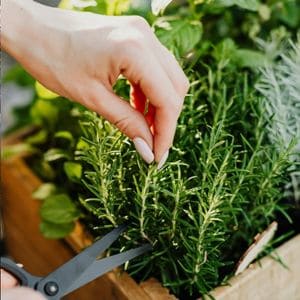
- Rosemary: Works great for dry gardens and adds a piney note.
- Anise hyssop: Has a sweet, licorice flavor and attracts pollinators.
These herbs are easy to grow and can be mixed fresh or dried with your tea leaves for unique blends.
Related Article: How to Cut Back Rosemary
Edible Flowers for Tea Gardens
You can brighten your tea with flowers that bring both color and flavor. Try growing:
- Lavender: Adds a floral, slightly sweet taste.
- Calendula: Gives a mild, peppery flavor and a golden color.
- Chamomile: Small white flowers with apple-like notes.
- Rose hips: The fruit of wild rose plants, they add a tart, fruity flavor.
These flowers are safe for tea and offer both beauty and taste when dried or fresh in your brew.
Related Article: Grow Mint with These Perfect Companion Plants for a Thriving Herb Garden
Companion Plants and Decorative Options
Choosing the right plants for your tea garden can help keep pests away and add color and texture. Some plants work well by giving off scents that repel bugs, while others make your garden look lively and inviting.
Aromatic Companion Plants
Aromatic herbs like lemon balm, basil, and mint are great for your tea garden. These plants not only add flavor to your teas but also help keep pests like aphids and spider mites away.
You can mix herbs like cilantro and calendula into your garden, too. They attract pollinators and can enhance the taste of your tea blends.
Plant these aromatics near your main tea herbs for natural pest control. Plus, their strong smells create a fresh, relaxing garden space.
Ornamental Shrubs and Grasses
Adding ornamental shrubs and grasses brings texture and height to your tea garden. Small shrubs like lavender work well because they smell good and attract bees.
Tall grasses or flowering shrubs add structure and help create natural boundaries. They give your garden a more finished look without needing much care.
Use a mix of colors and shapes to create interest. This also provides habitat for beneficial insects, which can help your garden thrive.
Follow my herb garden board on Pinterest.